The closer I look at the lives of the ‘heroes’ and and the ‘villains’ in the Bible it becomes increasingly difficult to tell the real difference between them, or what made one person a hero and another a villain. Here are quick links to the posts and series in which I explore the questions of whether the ‘heroes’ were truly heroic, and if the ‘villains’ were really that villainous.
- “Curse God and die!” Did Job’s wife really say that?
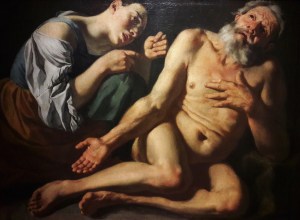 The easy answer to the question would be “It’s in the Bible (Job 2:10), so of course she said it!” The not-so-easy answer is that the Hebrew from which our English Bibles are translated literally says “Bless God and die!” So why did the translators reverse the meaning of the Hebrew word ברך bless and… Read more: “Curse God and die!” Did Job’s wife really say that?
 - The problem of Saul (5): Good king Saul
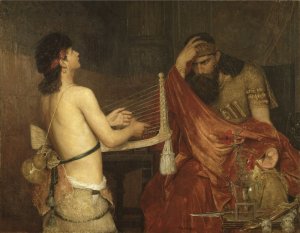 One of the problems with the account of Saul’s life in the Book of Samuel is that it seems pretty clear that the narrator wants the reader to conclude that Saul was a bad king, so bad in fact that God needed to replace him with David. Why is this a problem? There is evidence… Read more: The problem of Saul (5): Good king Saul
 - The problem of Saul (4): Saul, David and Churchill
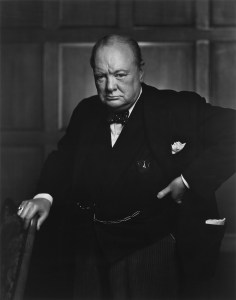 The quotation “History is written by the victors” is often attributed to Winston Churchill. It’s probably a paraphrase of a sentiment which Churchill expressed in a speech before the House of Commons on Jan. 23, 1948, in which he quipped: “For my part, I consider that it will be found much better by all parties… Read more: The problem of Saul (4): Saul, David and Churchill
 - The problem with Saul (3): Michal and the end of Saul’s line
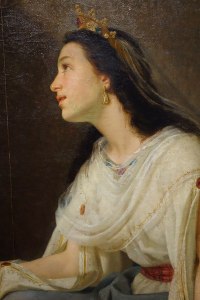 Michal was the youngest daughter of King Saul and the wife of King David. As such, she is a link between the two families and in some ways symbolises the tension between them. There are a number of strange, and troubling, things about the account of her marriage in the Book of Samuel. When we… Read more: The problem with Saul (3): Michal and the end of Saul’s line
 - The problem with Saul (2): Saul and Goliath
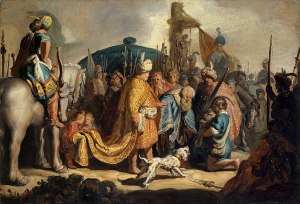 We all know the story of David and Goliath. Even if we don’t know the details of the story we’re familiar with the reference to an underdog overpowering a vastly stronger opponent, in this case a boy downing a giant with a slingshot and a single stone. We may not associate King Saul with the… Read more: The problem with Saul (2): Saul and Goliath
 - The problem with Saul (1): unmaking a king
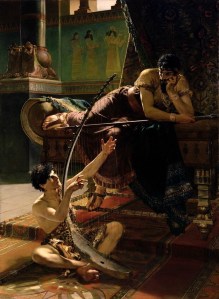 King Saul gets a fairly bad rap in the Bible. Things begin well for him as he is chosen by God and anointed by the prophet Samuel to be Israel’s first king, but when things turn bad he becomes the nemesis of David, the man chosen to be the next king, and is variously portrayed… Read more: The problem with Saul (1): unmaking a king
 - Heroes and villains (7): Manasseh, and who to blame for the exile
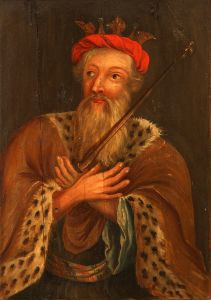 If you’ve been following this series you won’t be surprised to hear that the books of Kings and Chronicles tell two very different stories about Judah’s longest reigning king (55 years), Manasseh. On one hand, Kings blames Manasseh for Judah’s defeat by the Babylonian empire and their exile to Babylon. On the other hand, Chronicles… Read more: Heroes and villains (7): Manasseh, and who to blame for the exile
 - Heroes and villains (6): Uzziah, aka Azariah – is burning incense a bad thing?
 Uzziah was the tenth king of Judah. He is known in the Book of Kings as עֲזַרְיָה Azariah, while in Chronicles and in four prophetic books as עֻזִּיָּהוּ Uzziah. While the difference between the names in English is significant, in Hebrew there is a difference of only one consonant, the letter ר, which could either… Read more: Heroes and villains (6): Uzziah, aka Azariah – is burning incense a bad thing?
 - Heroes and villains (5): Abiathar and Zadok and the priestly contest for power and influence
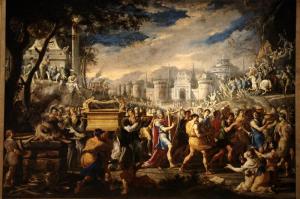 So far in this series I’ve argued that major differences between the biblical books of Kings and Chronicles are the result of them being written, or edited, by conflicting groups of scribes and priests, each presenting their own view of Israel’s history and protecting their own interests as religious leaders or influencers. But how did… Read more: Heroes and villains (5): Abiathar and Zadok and the priestly contest for power and influence
 - Heroes and villains (4): the art of writing and rewriting biblical propaganda
 It is evident from reading the parallel accounts of the reign of Solomon in Kings and Chronicles that the Book of Chronicles (1 and 2 Chronicles was originally one book) is a re-working of the Book of Kings (1 and 2 Kings was also originally one book, perhaps together with 1 and 2 Samuel*) which… Read more: Heroes and villains (4): the art of writing and rewriting biblical propaganda
 - Heroes and villains (3): the division of Israel into two kingdoms and its causes
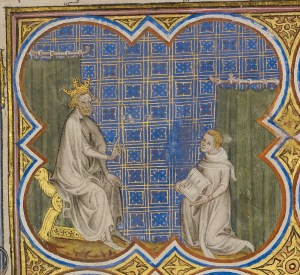 Solomon’s son Rehoboam succeeded him as king. After the legendary achievements of David and Solomon in establishing a kingdom which put Israel on the world map, Rehoboam is best known as the king who lost the greater part of the kingdom he had inherited. The book of Chronicles puts the blame on “certain worthless scoundrels”… Read more: Heroes and villains (3): the division of Israel into two kingdoms and its causes
 - Heroes and villains (2): the villainising of Jeroboam
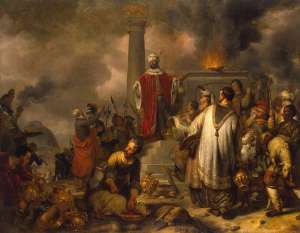 Despite being chosen by God to replace the Davidic dynasty with his own and to rule Israel, Jeroboam goes down in biblical history as “Jeroboam son of Nebat, who caused Israel to sin.” The book of Kings frequently uses two recurring devices in its final comments about the lives of the kings: those in the… Read more: Heroes and villains (2): the villainising of Jeroboam
 - Heroes and villains in the Bible (1): Solomon and Jeroboam
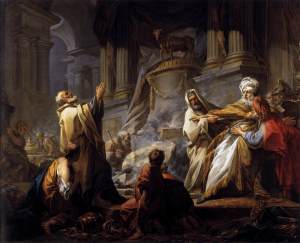 I remember when I was about ten years old my grandmother gave me a book called “Heroes of the Bible” which told the stories of the men my grandmother wanted me to imitate in my life: men like Noah, Moses, Samuel, and David. When I studied the lives of these men later in life I… Read more: Heroes and villains in the Bible (1): Solomon and Jeroboam
 מִקְרָא Mikra: Biblical studies